Posts Tagged ‘Real food’

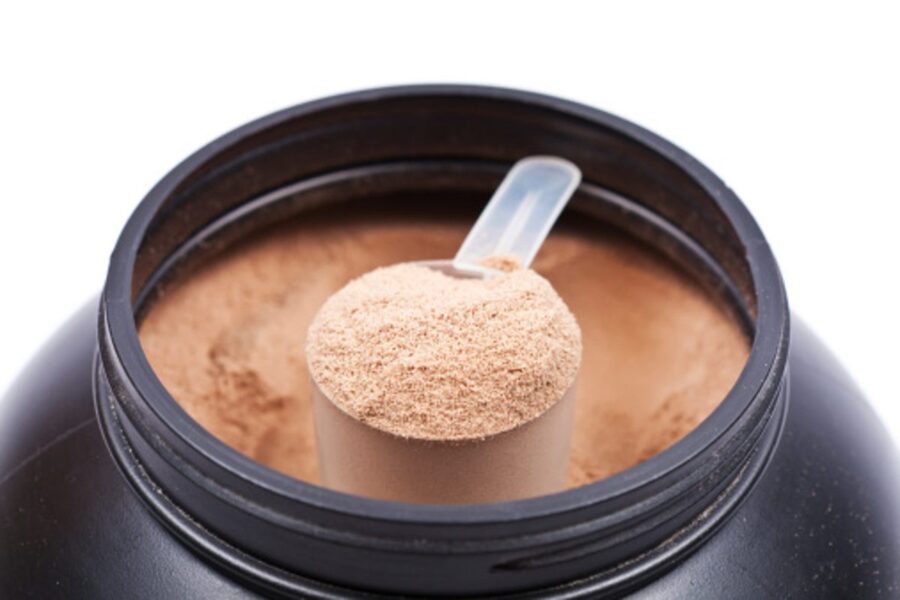
Is Your Protein Powder Toxic?

Consumer Reports Sounds the Alarm!
 

Consumer Reports, one of the most trusted guides for buying reputable products, has found heavy metals in protein supplements and is warning you to use caution.


Officials for consumers says it purchased 15 protein powders and drinks mainly in the New York metro area or online and tested multiple samples of each for arsenic, cadmium, lead, and mercury.


The results were very disturbing, considering how many people consume these highly processed food products and how MUCH they consume per day.


The results showed a considerable range, but levels in three products were of particular concern because they exceeded the daily exposure limits proposed by USP  for  arsenic, cadmium or lead. This is if you assume 3 servings per day which is the average for most consumers. Some eat more some eat less. For many products, levels of those contaminants were in the ‘low to moderate range’.

Personally I would not find even “low to moderate” exposure acceptable considering how many other toxic products we find in our environment. We have enough health considerations just dealing with life without wondering about a product we specifically consume for health or fitness!


Cadmium exposure is particularly scary
because it accumulates in and can damage the kidneys, the same organs that can be damaged by excessive protein consumption. It can take 20 years for the body to eliminate even half the cadmium absorbed today. 


Imagine what will happen to the large group of teenagers and twenty somethings wanting to ‘bulk up’ today.  They are the ones who eat a LOT of these products and who may be in for a very unpleasant surprise some time from now.

 
”This (Cadmium) is a highly toxic metal, and while there are some cases where decisions have to be weighed against relative risks, accepting that you have to be exposed to any cadmium at all in your protein drink after your workout is definitely not one of them.”
says Michael Harbut, M.D., director of the Environmental Cancer Initiative at the Karmanos Cancer Institute in Royal Oak, Mich.


Even some plant sources can contain cadmium by the way.  This is because of the heavy use of cadmium-containing phosphate fertilizers in commercial farming. Potatoes, rice, sunflower seeds, spinach, and other leafy greens are suceptable to this but of course this is not a problem IF you are eating organic.


Below is the average finding for three serving of the protein drinks.


You can see that Muscle Milk and EAS were the most toxic brands while the whey products faired better than the rest generally. This is just a small sampling of products.  The protein powder you buy from the store may be better but it may be worse.

You can read the complete findings (5 pages) at consumer reports.


Why Bother?


Many health experts argue that very few people need to be eating high quantities of protein to begin with, and consumer report points out  there are many protein sources from the grocery store which can supply all the protein you need that are NOT toxic.


Protein is essential in the body for our muscles obviously but also for most cell functions since it makes up enzymes, hormones and even DNA.  Most protein is recycled though, so unless you are growing rapidly or are breaking down the body a lot with extreme physical exertion,  there is not the need for a LOT of new protein. Very few people in North America are protein deficient.

 
At Real Food for Life, we like to remind everyone that you can get all your protein requirements from whole real food. Every single whole plant food has protein.


Beans, grains, seeds and sprouts have high levels of proteins but even fruits like oranges, banana,  and even watermelon have complete protein. You just have to eat more of those foods which have lower levels.  In North America, most people are generally eating a LOT of food.   If that food was whole, there is an abundance of ALL NUTRIENTS.


Copyright © Randy Fritz You are welcome to share this article with anyone who you think may benefit from this information as long as you give credit to Real Food for Life by including the link to the home page ww.RealFoodforLife.com  or the direct link to this post.

Retweet

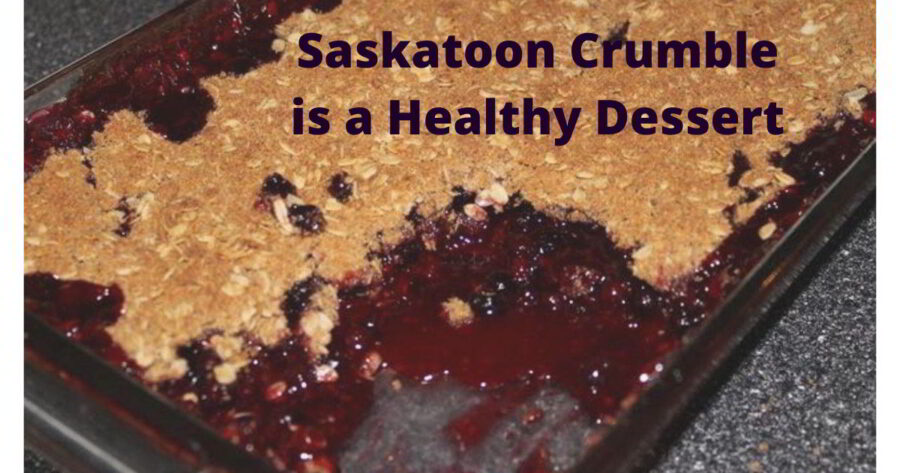
SASKATOON CRUMBLE

As you will know by reading my article: The Best Berry, Saskatoons are my favorite and I am happy to eat them just as they are.  For fun I do enjoy a crumble or pie so here is the yummy crumble recipe.

SASKATOON BERRY BASE

Ingredients:
3 cups Saskatoons
1/2 tsp Stevia – light liquid (Sunny Dew is best)
1/2 cup water

Directions:
1. Mix water and stevia together
2. Mix in berries
3. Place berry mixture in a baking dish

CRUMBLE TOPPING

Ingredients:
1 ½ cups rice flour
1 cup rolled oats
1 tsp. salt
1/3 cup vegetable oil
1/4 cup rice syrup
1/2 tsp Stevia – light liquid (Sunny Dew is best)

Directions:
1. Mix dry ingredients together
2. Mix oil, stevia and honey and add to dry ingredients.
3. Mix thoroughly.
4. Sprinkle on top of fruit
5. Bake at 350º F. oven for approximately 40 minutes.

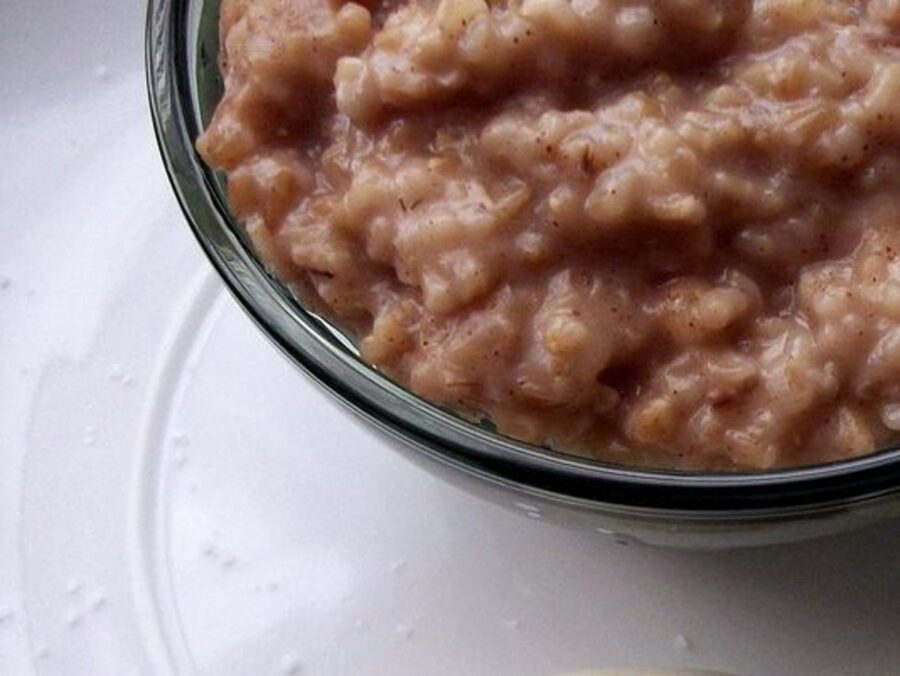
Oatmeal Nutrition:

Oats have lots of manganese, are a very good source of selenium, vitamin B1, dietary fiber, magnesium, protein & phosphorus.
1 bowl of oatmeal a day (3 grams of soluble oat fiber) typically lowers total cholesterol by 8-23%.

Retweet

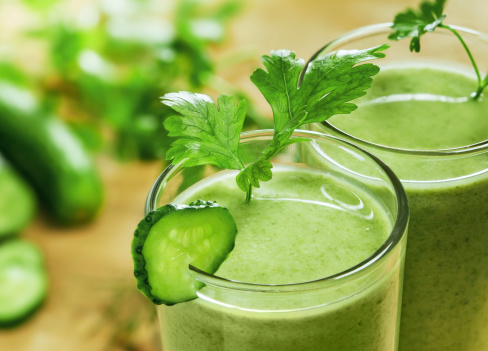
Greens Are Good for Us Recipes

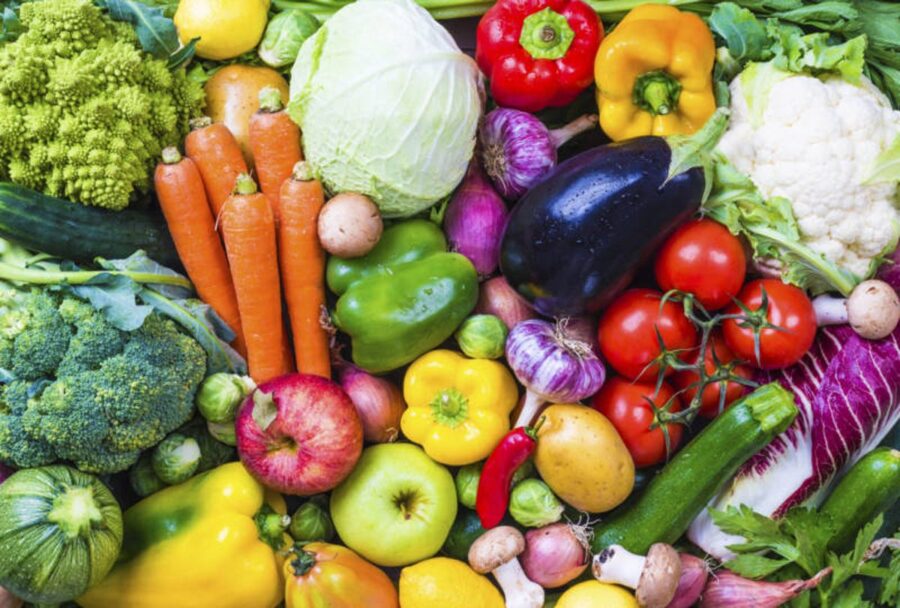
The very simplest place to start with getting greens into our diet is to eat one big salad each day and make sure it is filled with mostly greens.  

Greens are full of vitamins A, K, D, and E which are fat soluble. To absorb these vitamins make sure to add a teaspoon of dietary fat, such as butter, olive or coconut oil, nuts, cheese or salad dressing. This will make sure your body absorbs all of the vitamins in the greens. Vitamin K helps calcium and phosphorus bind onto the bone protein matrix.

  Greens
 MIXED SUMMER GREEN SALAD Greens 

Ingredients:
1 handful, Spinach
1 handful, Arugula
½ head, Red Leaf Lettuce
½  head, Green Leafy Lettuce
1 medium bunch of Parsley
3 Celery pieces, chopped
1 medium Cucumber, sliced in rounds
¼ cup pine nuts

Directions:
1.  Mix greens together in a bowl.
2. Top with celery, cucumber and pine nuts.
3. Serve with Mint salad dressing.

TIP:  If you are planning on this lasting for the next day, do not mix the cucumber in.  Put it in a bowl on the side and add to each serving of salad.  A mix of the basic ingredients without the cucumber will last 3 days in the fridge.

 Here is a salad dressing with greens already in it!  This is a refreshing tasty dressing with a little mint flavour.

LEMON-MINT SALAD DRESSING

olive oil
Ingredients:
1 ¼ cups olive oil
¼ cup lemon juice
2 tbsp. fresh mint (or 2 tsp. dried)
Salt to taste
Few drops of stevia

Directions:
1.  Blend all ingredients.
2.  Add salt to taste and stevia to taste and re-blend.

Copyright © Diana Herrington  You are welcome to share this article with anyone who you think may benefit from this information as long as you give credit to Real Food for Life by including the link to the home page www.RealFoodforLife.com  or the direct link to this post.

Retweet

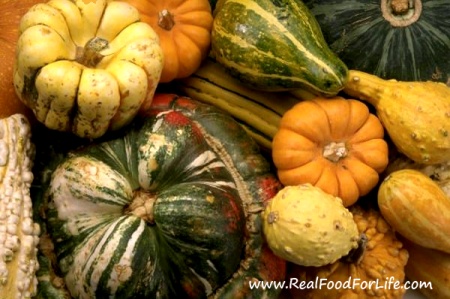
Squash – Powerfood For All Seasons

Squash is a member of one of the oldest vegetable families in the world. It is a very versatile vegetable that can be used in soups, stews, purees, desserts and pies. There are also many kinds which are just decorative.

Squach
There are 2 Categories of Squash:

Summer Squash, which have bush vines, tender skin and are eaten when small and immature.

Winter Squash which are hard skinned and good for storage.  Summer squash is a tasty offering savoured by people from around the world. Its nutty flavour and moist texture enrich a vast array of dishes, ranging from dumplings to salads.

Summer squash

Summer squash has an abundance of manganese and vitamin C, and also magnesium, vitamin A, fibre, potassium, folate, copper, riboflavin, and phosphorus. It also has omega-3 fatty acids, vitamin B1, vitamin B2, vitamin B6, calcium, zinc, niacin, and protein. So you see it is a very healthy food.

zucchiniZucchini: still dominates as the best known summer squash.  It has thin skin that is usually green but can be yellow or striped or speckled. Being tender it cooks fast and it has edible flowers are often used cooking.

Other Summer squashes are:
Crookneck and Straightneck Squash: 
usually have a yellow skin and sometimes a green skin. Crookneck squash is partially straight with a swan-like neck. It was genetically altered to produce its straightneck cousin that is shaped as its name implies.

Pattypan Squash: a small saucer shaped squash with skin of either pale green or golden yellow. Its flesh is more dense and a little sweeter than the zucchini.

Winter Squash

Winter squash has a high amount of Vitamin A (beta-carotene), with vitamin C, potassium, dietary fiber and manganese. It also has folate, omega-3 fatty acids, vitamin B1, copper, vitamin B6, niacin-vitamin B3 and pantothenic acid.

Butternut squash: Tan colour with small seed cavity. This squash stores well and has a good flavour. Fairly dense golden flesh, makes an excellent puree.

Pumpkin: Good in sweet and savoury recipes. pumpkin

Acorn squash:  A deep black-green colour with a rich orange thick flesh – Delicious! Good for baking in the skin.

Spaghetti squash: Has a fibrous flesh which looks like spaghetti when cooked.

Doody or white pumpkin: Has pale greenish-white flesh and a delicate flavour.

Buttercup:  Dark green colour with a deep orange flesh. This extra dry squash has a sweet flavour.

Delicatta:  A creamy colour with green stripes. This squash is like a Sweet potato squash.

Spaghetti: Creamy colour with an oblong shape. The Flesh resembles spaghetti when cooked. Top with your favourite sauce!

Small Wonder: Light orange colour vegetable spaghetti looks like a soft ball in shape. It has more flavour than spaghetti squash. Great with salt, pepper, and butter.

White Acorn: A creamy white on the outside, pale yellow on the inside. It has a delicate nutty flavour.

Kabocha:  A pumpkin shaped winter squash. It has a rich, sweet flavour and when cooked its texture resembles that of a tender potato. Kabocha squash weighs an average of three pounds and has spotted or blotchy dark green skin. It can be baked, steamed, stuffed or pureed. Works well as a substitution in recipes that call for pumpkin or sweet potatoes. Kabocha is generally available all year round. (this is obvioiusly my favourite!)

When selecting a winter squash, do not select those that are soft or show pitting. Also, check that the stem is intact and looks fresh. Store up 1 – 3 months in a cool dry location that has good air circulation.

Here are a few squash recipies:

KABOCHA SQUASH SOUP

BAKED SQUASH  

In upcoming posts we will be posting more RECIPES of squash!  Don't miss it by opting into our newsletter

Feel free to share this information with others.  Twitter and other links below.

Copyright © Diana Herrington  You are welcome to share this article with anyone who you think may benefit from this information as long as you give credit to Real Food for Life by including the link to the home page www.RealFoodforLife.com  or the direct link to this post.

Retweet